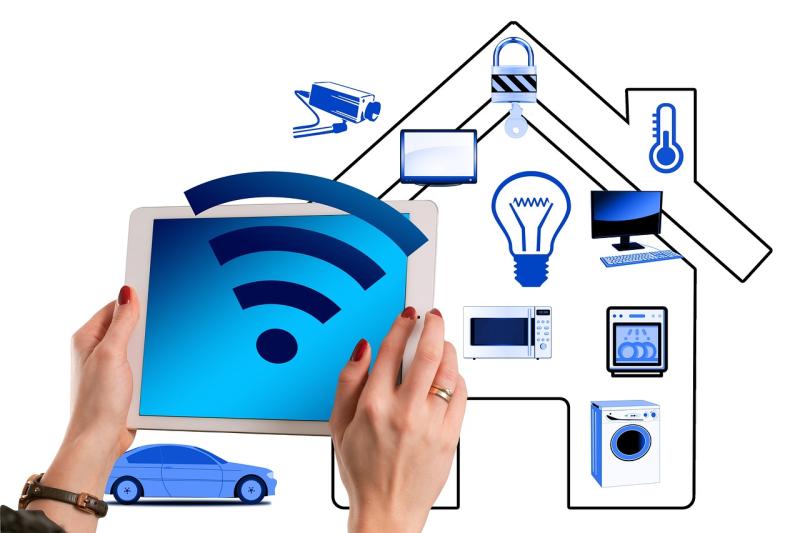
Wifi home automation devices have become super popular, and it's easy to see why! They let you control your home from anywhere using just your smartphone or tablet. Want to turn off the lights while you're lying in bed? No problem! Looking to adjust the thermostat while you're out? You've got it!
One big perk is the ease of setup. Most wifi devices are as simple as plugging them in and connecting to your home network. That means you don’t need to run wires through walls or mess around with complicated installations. Just download the app, follow the prompts, and you’re good to go.
Wifi home automation can be a game changer for everyday tasks. Smart plugs can schedule your appliances, smart bulbs let you change colors and brightness, and smart cameras keep an eye on things for you. Plus, they can usually integrate with other smart home systems, so you can control everything from a single app.
Of course, like everything, there are some cons. Wifi can sometimes be less reliable than wired connections, especially if your signal gets weak or interfered with. If you have a large house or multiple floors, you might need range extenders to boost your signal. Also, don’t forget about security; make sure your home wifi is protected with a strong password.
All in all, wifi home automation devices are fantastic for anyone looking to make their life easier. They offer flexibility, ease of use, and a ton of options to fit your lifestyle. If you’re all about convenience, these gadgets could be just what you need!
Exploring Wired Home Automation Options
Wired home automation options are like the dependable, old friend you can always count on. They use physical cables to connect devices, making them super reliable. If you want a system that won’t drop connections during a storm or when your neighbor decides to host a BBQ, wired systems are a solid bet.
One big plus is the speed. Wired systems deliver data at lightning speed. No lag when you’re controlling your lights or security cameras. You can stream videos, access cameras, and run your smart devices without a hitch. This is especially crucial for things like home security, where every second counts.
Installation can be a bit tricky, though. You’ll need to run cables through walls and potentially hire an electrician to help out. But if you’re up for it, the payoff is worth it. Plus, once everything is set up, you can enjoy a seamless experience without worrying about Wi-Fi spots or signal issues.
Some popular wired options include Ethernet hubs, Zigbee networks, and even Powerline adapters. They all offer unique features for different setups. Whether you're building a smart home from scratch or upgrading an existing setup, these wired options pack a punch. Having a solid foundation for your automation needs means you'll enjoy a home that runs smoothly and efficiently.
Comparing Performance of Wifi and Wired
When diving into home automation, choosing between WiFi and wired connections is a big deal. Each option has its strengths and quirks, so let’s break it down.
Wired connections are like the reliable friend who’s always on time. They offer fast, consistent speeds without all the interference you might get from WiFi. If you’ve got devices that need to communicate quickly, like security cameras or smart speakers, wired could be the way to go. Plus, you won’t have to worry about dead spots or signal drops, which is super important in a busy household.
On the flip side, WiFi is all about convenience. It’s easy to set up and you don’t have to mess with running cables all over your house. You can control devices from anywhere, which is great if you’re on the go. Just remember, WiFi can sometimes slow down with too many devices connected or if you have thick walls blocking the signals. Still, it’s perfect for smart devices that don’t need a constant, high-speed connection.
If you have a solid internet setup and don’t mind some extra cables, wired is fantastic for reliability. But if you love flexibility and keeping things tidy without cables everywhere, WiFi is a real winner. Think about your specific needs—fast response times or easy installation—and choose what fits your lifestyle best.
Choosing the Right Connection for You
When you're diving into the world of home automation, one of the biggest questions is how to connect your smart devices. You’ve got two main options: WiFi or wired connections. Each one has its perks, and your choice will depend on your specific needs and setup.
WiFi devices are super convenient. You can place them anywhere in your home, as long as you have a good signal. That means no messy cables running around. Plus, most smart devices use WiFi, so you have a massive selection to choose from. Just make sure your router can handle the load, especially if you have a lot of devices. You don’t want your WiFi slowing down when the kids are streaming their favorite show.
On the flip side, wired connections can be a game-changer for reliability. They provide a stable connection and usually have less interference compared to WiFi. If you have a big home or live in an area with lots of WiFi networks, going wired can make a lot of sense. Plus, you won't run into issues like spotty connections or dropped signals.
Think about how you want to use your smart devices. If you're setting up something like smart lighting or security cameras, and you want them to work flawlessly, a wired connection might be the better choice. But if you prefer flexibility and don’t mind a little setup required for your WiFi network, then going wireless is a solid way to go.